登录后即可生成 AI 讲稿。视频文件不上传;点「讲稿」后会上传音频,有页时还会上传页面静图。
每页都有讲稿
打开视频,取出页面,再点「讲稿」。整段内容会整理成一篇按章节编排的讲稿,每一页再配上当时讲到的要点。页面留在浏览器里。视频文件不上传;点「讲稿」后会上传音频,有页时还会上传页面静图。
- 每页各有一段讲稿
- 讲稿与逐字稿 .txt/.srt
- 3 个视频免费
怎么用
在浏览器里取出页面
拖入课程、会议或录屏视频。只能在标签页播放时,用 Chrome 扩展。页面在你的设备上完成提取。
开始讲稿
先确认提示:免费和计费规则也写在里面。音频先上传,逐字稿马上开始生成;页面静图随后上传,用来写讲稿。整篇按章节整理。
审阅并导出
在讲稿面板里修改,用阅读模式过一遍。导出 Markdown、Word 或 PDF(有页画面时配图),也可以导出逐字稿 .txt / .srt。
你会拿到什么
 4:39
The speaker uses an opening anecdote to introduce the technical and value-based challenges of being a FLOSS tools user in a social science setting. On the technical side, the first challenge is that the speaker does not know how to code. This meant they did not exploit Torque to the fullest or use its Python library programmatically, and had to rely on a third party to build the network that was eventually imported into Gephi.
摘要
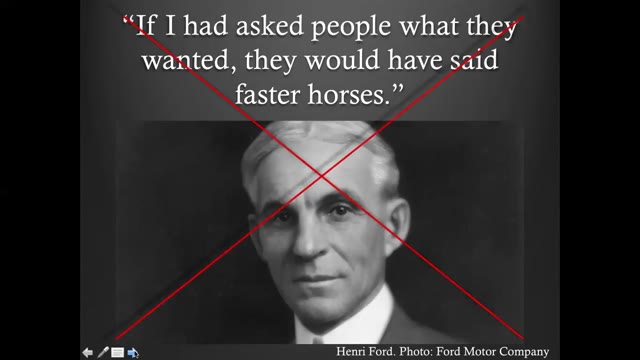
Maya introduces her talk on how free/libre and open source software (FLOSS) meets social science research, opening with the quote often attributed to Henry Ford—"If I had asked people what they wanted, they would have said faster horses"—to illustrate users' inability to convey their needs to innovators. She notes this is the opposite of how open source development and open research grow: by valuing and promoting user feedback toward community-oriented goals.
The speaker introduces herself as Maya and says she will talk about how floss meets social science research and lives to tell the tale. She begins with a quote: if people had been asked what they wanted, they would have said faster horses.
The speaker introduces herself as Maya and frames the talk around how free/libre and open source software (floss) meets social science research. She opens with the quote often attributed to Henry Ford—"If I had asked people what they wanted, they would have said faster horses"—used to illustrate users' inability to convey their needs to innovators. She notes this is the opposite of how open source development and open research grow and improve: by valuing and promoting user feedback to reach community-oriented goals.
I'll share experiences as a user of FLOSS tools for open research in social science. Specifically, I'll talk about a team project I worked on to produce and analyze a Twitter follow graph of last year's FOSDEM and Chaos Con participants.
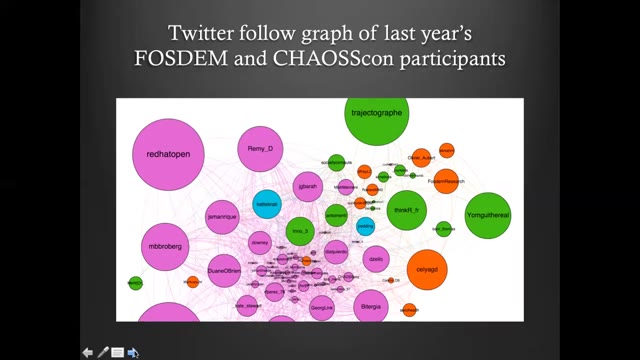
The speaker shares their experience as a user of FLOSS tools for open research in social science, focusing on a team project that produced and analyzed a Twitter follow graph of last year's FOSDEM and Chaos Con participants. The project used open source tools and agile management: data was collected with the command line tool Torque, network visualization was done with Gephi, and Framagit provided a collaborative framework for managing code, data, visualization, and text. Implementing the project led to insight about what it takes for social scientists with minimal tech knowledge or exposure to open source values to practice open research with FLOSS tools.
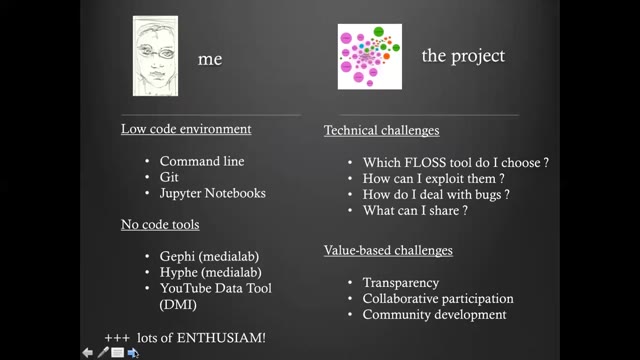
Implementing the project gave insight into what it takes for social scientists with minimal tech knowledge or exposure to open source values to practice open research with FLOSS tools. Three types of challenges are addressed: training, documenting, and collaborating. The speaker's user background: minimal experience with digital tools for research—only the basics of the terminal, version control with Git, and executing code in Jupyter notebooks, plus some no-code tools like Gephi, HIVE, and YouTube Data Tool, which they liked and were eager to do more of.
The speaker uses an opening anecdote to introduce the technical and value-based challenges of being a FLOSS tools user in a social science setting. On the technical side, the first challenge is that the speaker does not know how to code. This meant they did not exploit Torque to the fullest or use its Python library programmatically, and had to rely on a third party to build the network that was eventually imported into Gephi.
The second challenge was with the community detection calculation in Gephi, which gave a different result each time it was launched unless it was expressly told to always start with the same node in the network. Once this was realized, everything was written down in the project wiki, which led to an important lesson about documentation to be covered later. A main advantage of Gephi is its real-time visualization feature that lets you zoom in for high granularity, but the preview screen was blank—the third challenge. The bug fix found on the forum wasn't effective, so the separate preview tab was used to visualize the network as a whole and zoom in, though not as smoothly.

The bug fix found on the forum wasn't effective, but the separate preview tab allowed visualizing the network as a whole and zooming in, though not as smoothly. The bug was frustrating in the long run and led the team to explore other alternatives, including a different open source network visualization tool developed expressly for Twitter data called Twitter Explorer. Its advantage is being very user friendly, but in its early stages it lacked many functions Gephi provided—for instance, Twitter Explorer only has one layout option, whereas Gephi has several.
真实样例:FOSDEM 2021 演示讲座(CC BY 2.0 BE)的讲稿:一篇按章节编排,每页配讲稿。
导出格式
- Markdown
- .md;配了页画面时是一个 .zip,里面有 notes.md 和 images/ 文件夹。
- Word
- .docx;有页画面时可嵌入。
- 连续排版;需要时嵌入中文字体子集。
- 逐字稿 .txt
- 按段落整理,可选 [mm:ss] 时间码。
- 逐字稿 .srt
- 每个逐字稿片段一条字幕。
- 另外
- 导出 PPT 时,讲稿会写进每页的演讲者备注。
# Maya Anderson-González, FLOSS meets Social Science Research, FOSDEM 2021

Maya introduces her talk on how free/libre and open source software (FLOSS) meets social science research, opening with the quote often attributed to Henry Ford—"If I had asked people what they wanted, they would have said faster horses"—to illustrate users' inability to convey their needs to innovators. She notes this is the opposite of how open source development and open research grow: by valuing and promoting user feedback toward community-oriented goals.

## 0:38

The speaker introduces herself as Maya and says she will talk about how floss meets social science research and lives to tell the tale. She begins with a quote: if people had been asked what they wanted, they would have said faster horses.

## 0:53

The speaker introduces herself as Maya and frames the talk around how free/libre and open source software (floss) meets social science research. She opens with the quote often attributed to Henry Ford—"If I had asked people what they wanted, they would have said faster horses"—used to illustrate users' inability to convey their needs to innovators. She notes this is the opposite of how open source development and open research grow and improve: by valuing and promoting user feedback to reach community-oriented goals.

## 1:34

I'll share experiences as a user of FLOSS tools for open research in social science. Specifically, I'll talk about a team project I worked on to produce and analyze a Twitter follow graph of last year's FOSDEM and Chaos Con participants.


— CC BY 2.0 BE
演讲者备注 · 4:39
The speaker uses an opening anecdote to introduce the technical and value-based challenges of being a FLOSS tools user in a social science setting. On the technical side, the first challenge is that the speaker does not know how to code. This meant they did not exploit Torque to the fullest or use its Python library programmatically, and had to rely on a third party to build the network that was eventually imported into Gephi.
导出不再另扣费。讲稿任务已经按规则计费,或用掉了免费次数。
适合这些场景
课程
一学期的课程视频变成页面加讲稿,考试前直接复习。
会议
演示多的会议,每一页旁边就是当时讲过的要点。
YouTube 与网课
用本地文件;只能在标签页播放时用扩展取页。讲稿仍需要能处理的本地声音。
计费
- 讲稿使用同一份额度,每个音频分钟 $0.01。
- 计费按音频分钟计,不足一分钟按一分钟计;页数不影响价格。
- 每账号 3 次免费完成任务,每次不超过 30 分钟、60 页。
- 只在任务完成时扣费。失败不占免费次数,也不扣费。
- Lifetime 赠送的 $10 在同一余额。充值在账户账单页。
- 单次上限:300 页、180 分钟、音频 95 MB。
常见问题
- 视频文件会离开设备吗?
- 不会。页面在浏览器里提取,视频文件不上传。开始「讲稿」后会上传音频;有页时还会上传页面静图。
- 需要登录吗?
- 需要。讲稿只给登录用户使用。
- 怎么计费?
- 前 3 次完成免费,每次不超过 30 分钟、60 页。之后按音频分钟 × $0.01,从共用额度扣,成功完成才扣。
- 能下载逐字稿吗?
- 能。逐字稿生成后,导出菜单里有 .txt 和 .srt。
- 视频只能在网页播放器里看怎么办?
- 扩展可以从标签页读取页面。讲稿仍需要能处理的本地声音;没有声音时,产品会说明无法送出音频。
- 讲稿是看页面静图写的吗?
- 讲稿根据逐字稿来写;任务有页时,页面静图会和逐字稿一起送给模型。导出时仍可附上编辑器里已有的页画面。